
Language and delivery
Language and delivery
Language and delivery
Language and delivery
Language and delivery
Language and delivery
Language
Send to
We do not ship to that country. These are the 28 countries we work with.
Prices in pounds sterling (GBP).
ESD MAGAZINE · FASHION AND CULTURE
By: Sergi Pijoan (Esdemarca Brand Manager)
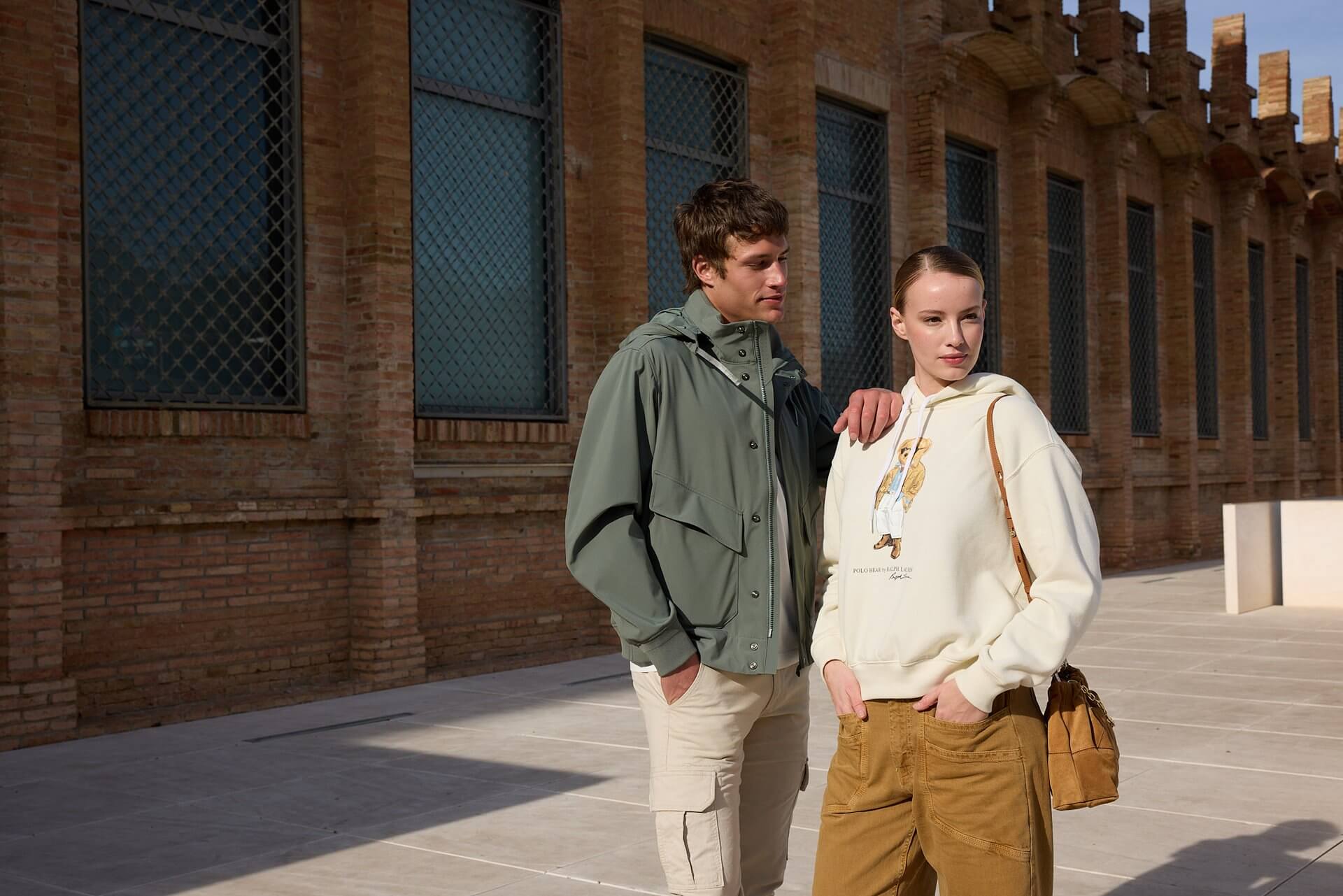
There is a moment every year when the light changes before the wardrobe does. Something shifts on the street — in the way people walk, in what they wear, in the lightness with which they move through space — and you sense that something is beginning. Spring 2026 fashion will arrive with its proposals, its palettes and its silhouettes, but the most genuine European style has always been one step ahead of any season: it is born in the daily friction between a city and the people who inhabit it. And four cities, at this time of year, prove it better than any other.
01
San Sebastián · Taste as a quiet conviction
In the far north of Spain, where the Basque Country meets the Cantabrian Sea, spring arrives slowly and on its own terms. It is not the luminous burst of the Mediterranean: it is a gradual opening, almost restrained, that calls for fine layers over solid foundations, for fabrics that flow without losing structure. San Sebastián does not talk about fashion. It simply dresses well every season, and that is an enormous difference.
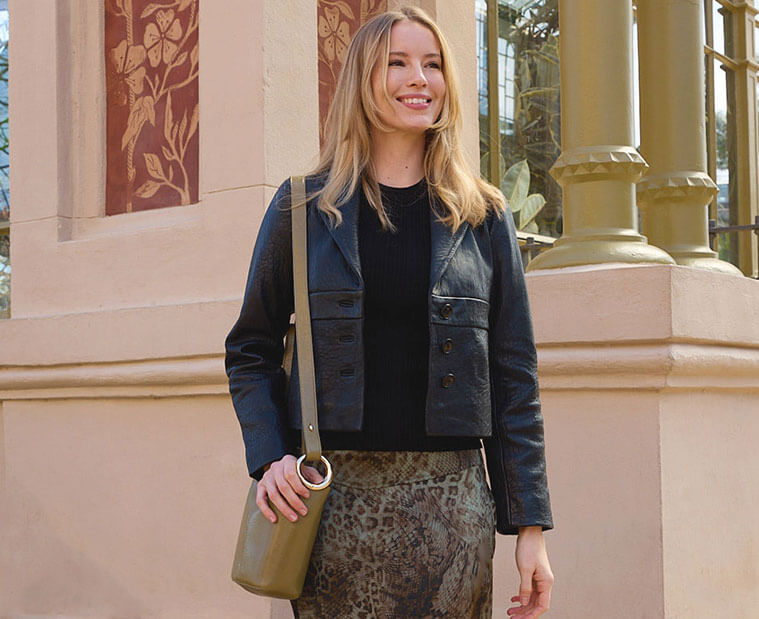
The French influence is evident but never literal. Basque elegance has its own codes: chromatic restraint, garments that last, volumes that do not compete with the landscape. Dressing here is an intimate act, without an audience, as natural as choosing well at the table. That same philosophy — quality without ostentation and judgement without excess — resonates in the DNA of Hackett London, a brand built on the idea that well-made clothing needs no justification, or in the proposals of Rotate, whose way of understanding femininity combines presence and restraint with a naturalness that few labels achieve.
02
Milan · The city that turned detail into obsession
When northern Italy begins to emerge from winter, Milan does not change register: it refines it. The cultural and economic capital of Lombardy starts to shed heavy fabrics with the same precision with which it embraced them, and the entire city seems to recalibrate. Linen appears, neutral colours take on a new luminosity, and everything continues to respond to the same aesthetic logic that has been refined in its streets for decades.
The Milanese does not improvise. The belt, the collar of the shirt, the thickness of the sole: every decision has a reason. It is a city that has internalised the idea that elegance is not accumulation but selection, and that what is absent carries as much weight as what is present. The concept of sprezzatura — that art of making the studied appear casual — is better understood by walking through the Brera district than by reading any definition. Brands like Weekend Max Mara or A|X Armani Exchange are not merely Italian by origin: they are Milanese by code. Their architecture carries the same conviction that the right form of a garment says everything.
03
Paris · The disorder that is never accidental
As the first days of spring draw near, Paris becomes the perfect stage for understanding why its style has been the reference the whole world cites yet nobody quite deciphers. The terraces begin to fill, jackets are draped over shoulders, and that seemingly careless blend of the new with the timeless reaches its finest expression.
What Paris imposes is not a look: it is a way of relating to one's own image. Parisian style works on a solid foundation — quality garments, silhouettes known by heart, an almost always restrained colour palette — upon which an unexpected element is introduced. The result appears spontaneous. It is not. Paris teaches that the most sophisticated European style is the one that knows exactly when and how to break its own rule. Ba&sh captures that with uncommon precision: a femininity without rigidity, Parisian in its nonchalance and deeply serious in its execution.
04
Munich · Elegance that needs no proof
The capital of Bavaria, in southern Germany, experiences the onset of spring in a way that reveals much about its character: without drama, with a calm openness towards the outdoors. The parks begin to fill before the shops do. People dress better before the campaigns arrive. Munich does not wait for fashion to announce that the season has changed.
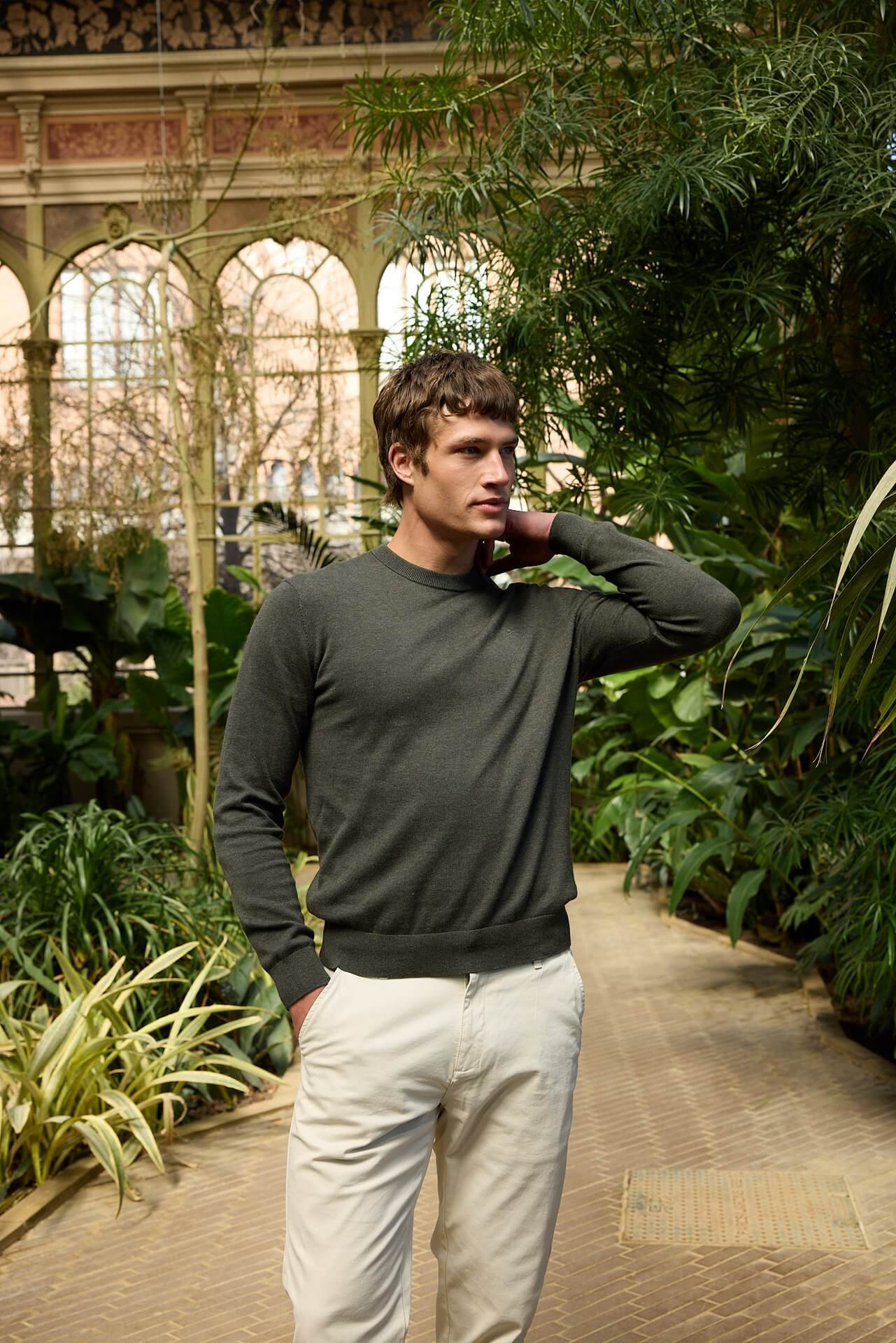
What this city possesses is a very Central European relationship with quality: discreet, demanding and entirely indifferent to the need for external validation. The Alpine influence coexists with an urban sophistication that produces unexpected combinations: technical fabric alongside light wool, impeccable tailoring in casual settings, functionality elevated to an aesthetic decision. That same philosophy lies behind BOSS: a German brand that has built its identity on precision of cut, sobriety of colour and the conviction that dressing with judgement is a statement in itself.
San Sebastián, Milan, Paris and Munich do not share an aesthetic. They share something more valuable: the conviction that dressing well depends not on the calendar but on judgement. Spring summer 2026 fashion brings fresh ideas, but the most genuine European style already knows what it wants before any collection arrives. These four cities prove it every year, without announcing it.
Image credits: Esdemarca



Esdemarca · Copyright © Fusion Lab, S.L. 2026 B66138827 · Calle Recerca, 1, 08850 Gavà (Barcelona), Spain
Customize cookies
By accepting analytics cookies, third parties such as Google and other providers will have access to certain browsing data. View full list of providers
Sign up and subscribe to enjoy:
*Applicable on purchases over £83.93. Valid only with active registration and subscription to communications. By continuing, you agree to register and receive commercial communications from Esdemarca. You can unsubscribe at any time.
CONFIRM YOUR SHIPPING DETAILS:
 Scan with your phone camera
Download the app and enjoy:
